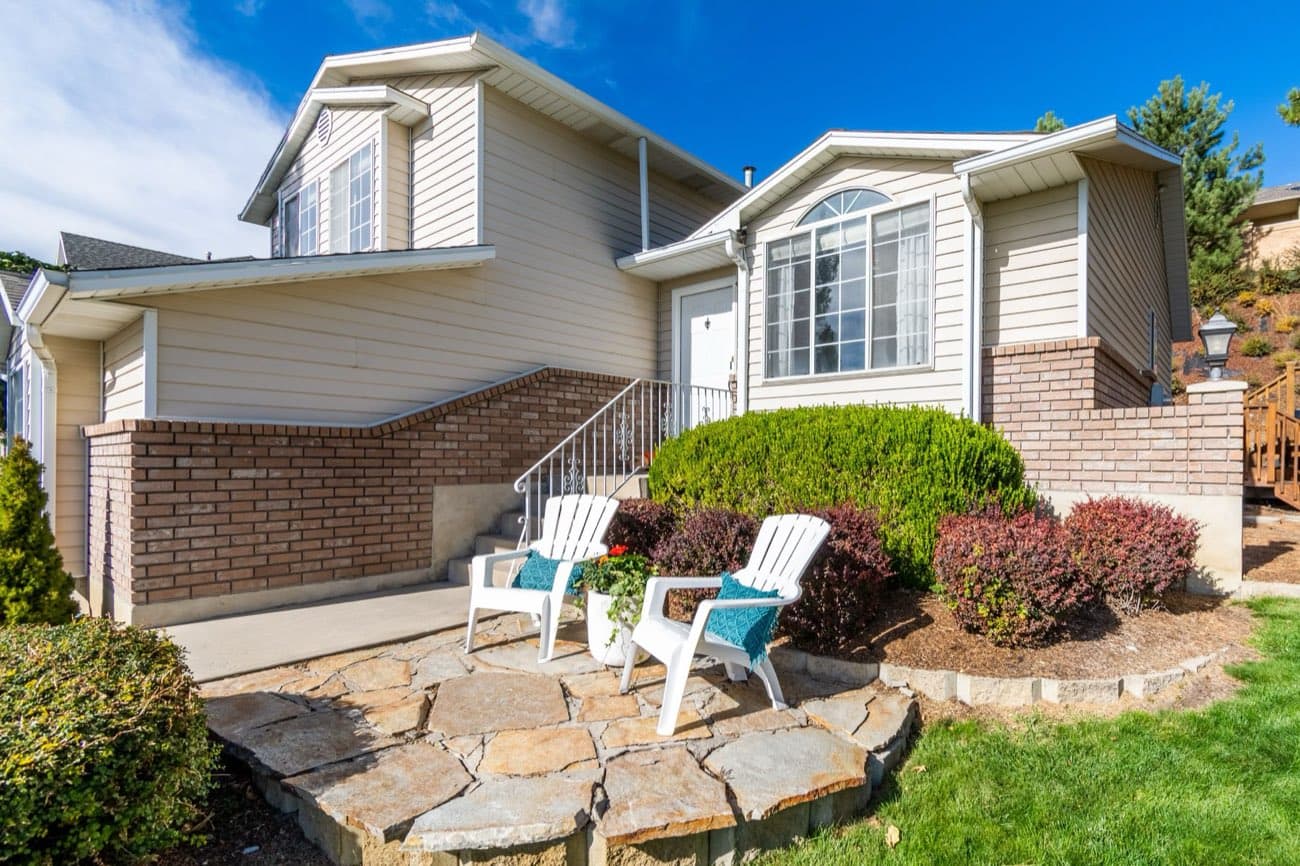
The house is usually the largest thing two people have to divide, and the least divisible. Selling turns it into a number that can actually be split.
How Texas divides it
Texas is a community property state, and Family Code section 7.001 tells the court to divide the estate of the parties in a manner it deems just and right, having due regard for the rights of each party and any children of the marriage.
Just and right is not automatically half. Courts weigh a list of factors, which is one reason two people rarely predict the outcome the same way.
Who has to sign
Everyone with an ownership interest signs, and for a homestead a title company will generally require both spouses to join in the conveyance whether or not both are on the deed.
If one spouse does not want to sell, there is no sale. We stop there, and we do not contact the other party to push it.
Selling before the decree, or after
A house can be sold while a divorce is pending if both parties agree or a court order allows it, and the proceeds can be held or split according to the order.
Waiting has a cost that shows up every month: the payment, the taxes, the insurance and the upkeep, usually carried by whoever is still in it. Your page puts a monthly figure on it.
How the money splits at closing
The title company follows the decree or your written agreement. Two payees, two wires, one settlement statement that both sides can read.
Liens and unpaid taxes are paid out of the proceeds first, so neither party has to fund them beforehand.
One number, so nobody is negotiating
A number set by formula from the county record and the condition of the house takes the argument about value off the table. Both parties see the same page and the same arithmetic.
Written from the statutes themselves: Family Code chapter 7. We are not lawyers and this is not advice about your own case.